


Press releases - 2026 January 22
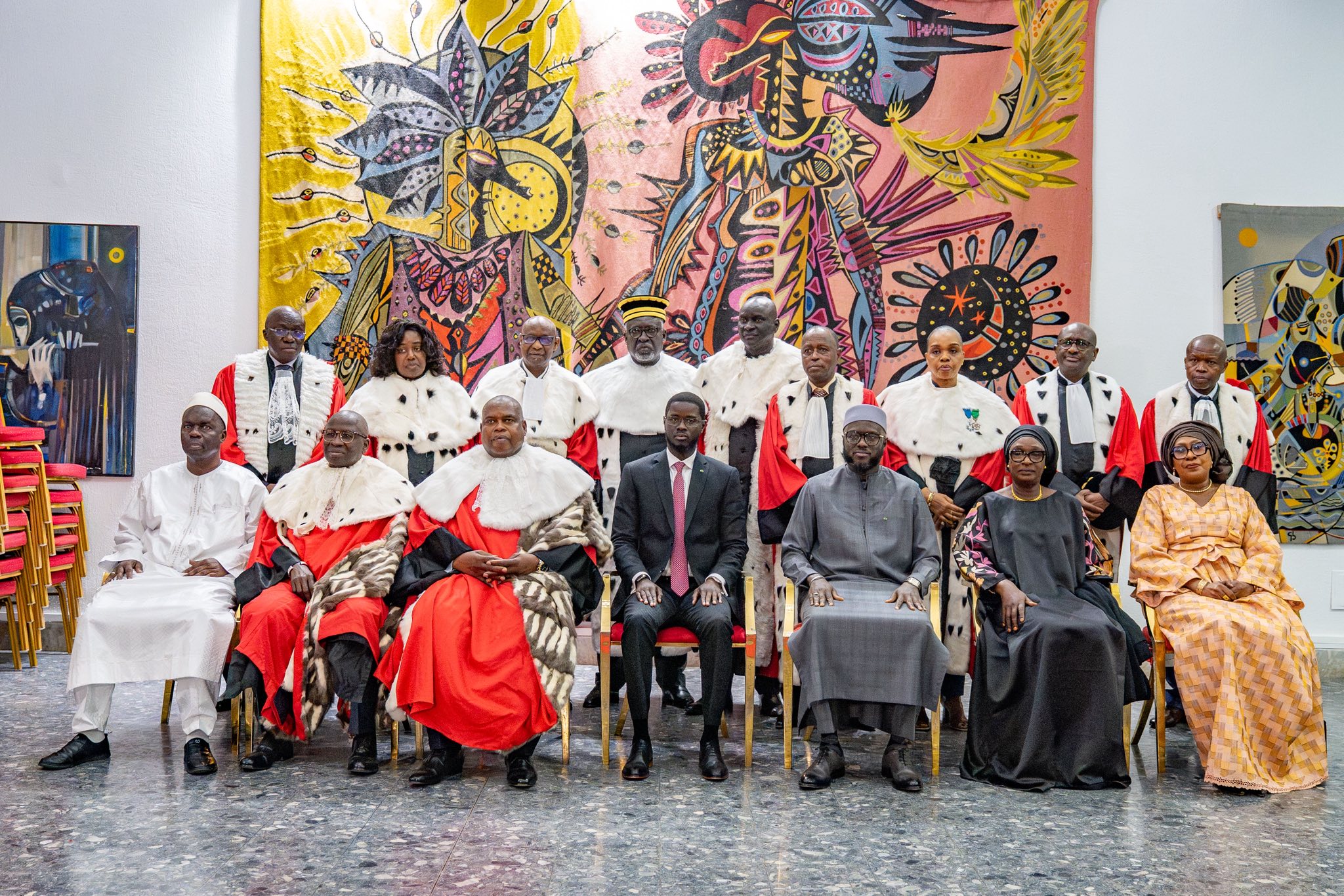
The President of the Republic presided this morning over the official ceremony marking the solemn opening of the judicial year for the Courts and Tribunals, a major moment in the institutional and judicial life of the country.
This opening ushers in a period of rigor, reflection, and shared responsibility, guided by a clear ambition: to build a justice system that is more intelligible, more accessible, and better equipped designed as a public service for the benefit of citizens, in full respect of fundamental rights and republican balances.
Through the ongoing digital modernization, the State is working to strengthen control over timelines and the speed of proceedings, while consolidating rigor, transparency, and trust in the judicial institution, in the service of institutional stability and social peace.
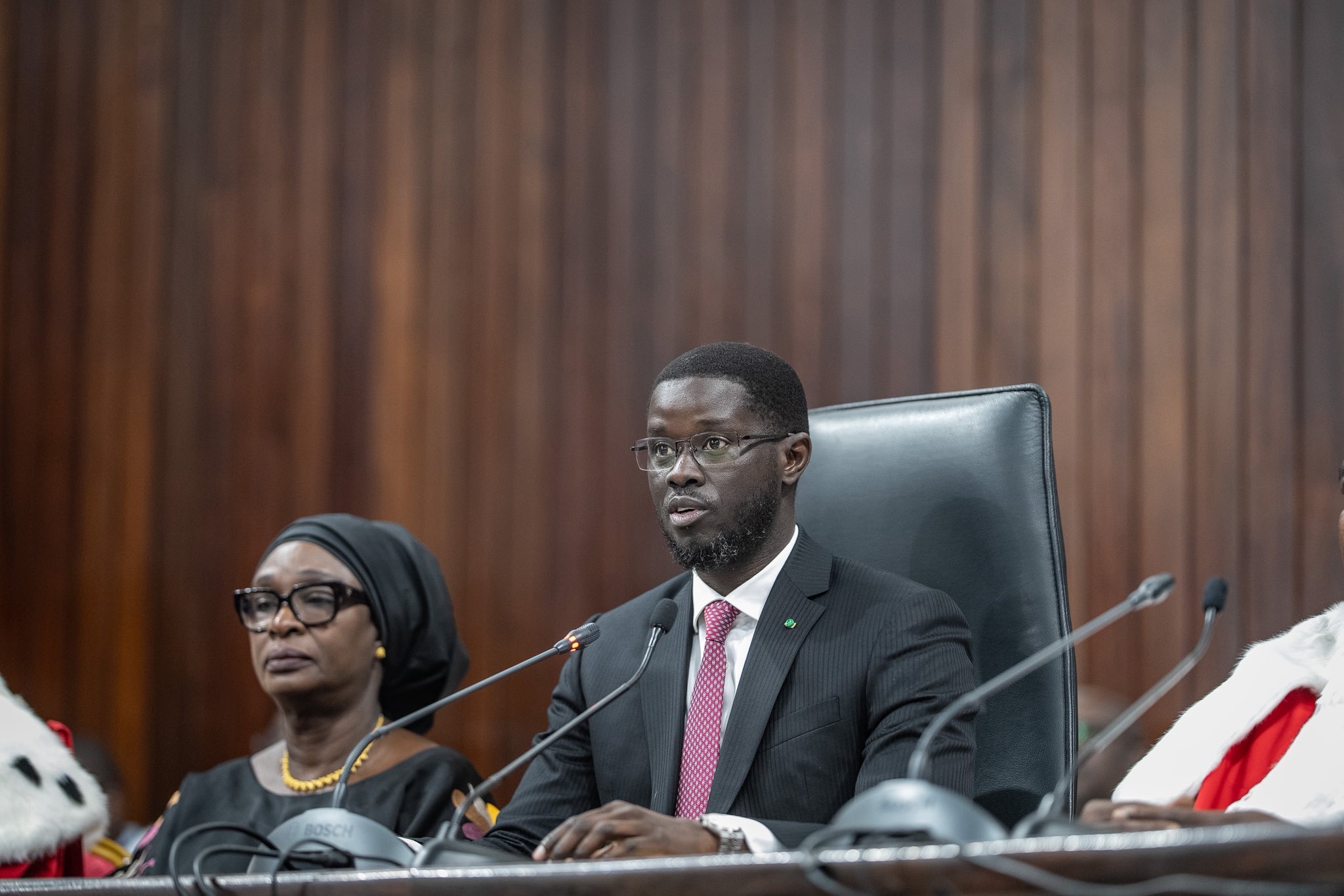
22 January 2026 – Only the spoken word is authoritative
Below is the address delivered by the Head of State:
Mr. President of the National Assembly,
Mr. Prime Minister,
Madam Minister of Justice, Keeper of the Seals, Vice-President of the High Council of the Judiciary,
Madam Vice-President, Acting President of the Constitutional Council,
Ladies and Gentlemen, Members of the Government,
Mr. First President of the Supreme Court,
Mr. Prosecutor General attached to said Court,
Mr. First President of the Court of Accounts,
Mr. Prosecutor General attached to said Court,
Honourable Members of Parliament,
Mr. Mediator of the Republic,
Mr. President of the Independent National Electoral Commission,
Mr. President of the National Council for Audiovisual Regulation,
Excellencies, Ladies and Gentlemen Ambassadors and Heads of Diplomatic Missions,
Gentlemen General Officers,
Madam, Gentlemen former Heads of the Supreme Jurisdiction,
Ladies and Gentlemen Rectors, Deans and University Professors,
Mr. President of the Bar Association,
Ladies and Gentlemen Magistrates,
Ladies and Gentlemen Lawyers,
Ladies and Gentlemen Presidents of Professional Orders,
Ladies and Gentlemen Court Registry Administrators and Clerks,
Ladies and Gentlemen Administrative and Territorial Authorities,
Religious and Traditional Authorities,
Ladies and Gentlemen, in your ranks, grades and capacities,
Distinguished Guests,
It is with renewed pleasure that I preside, for the second time since assuming the highest office, over the official ceremony marking the opening of the Courts and Tribunals.
Far from being a mere institutional ritual inscribed in the republican calendar, this ceremony represents a powerful moment of communion, reflection, and introspection with all stakeholders in the justice system.
The 2026 judicial opening comes at a decisive turning point, as we examine the possible paths toward consolidating our democracy, strengthening our judicial institutions, entrenching judicial independence, and modernizing the justice system.
The people attentive and impatient observe you, question you, doubt, and criticize you.
This is their most absolute right, since justice is rendered in their name and ultimately belongs to them.
Our collective responsibility is therefore to reassure, to explain, and to persuade.
To state clearly where we stand, what we seek to transform, and how we intend to correct shortcomings, make up for delays, and respond in depth to the legitimate expectations of our people.
Refounding justice is not an option.
It is a moral, institutional, and democratic imperative, in light of the sacrifices made by our people to achieve a third democratic alternation, acclaimed and celebrated far beyond our borders.
This process of assessment and forward-looking reform was initiated from the very first days of my mandate through the National Justice Conference, which produced landmark recommendations whose implementation process has already been announced.
These reforms are numerous. However, they all share a common denominator: respect for the governance mandate entrusted by the people to sustainably consolidate the rule of law.
Ladies and Gentlemen,
The ambition of digital transformation lies at the heart of the societal project stemming from this governance contract with the people. Today, it constitutes an essential pillar of the modernization of public action.
In the judicial sector, it responds to major challenges of efficiency, speed, transparency, legal certainty, and respect for fundamental rights.
The judge guardian of freedoms and pillar of the rule of law now operates at the heart of a constantly evolving digital environment, marked by the dematerialization of procedures, electronic management of judicial information, and the emergence of new technological tools to support management and decision-making.
It is in this context that the theme of this solemn opening, “The Judge Facing the Challenges of Digital Technology,” was chosen.
It highlights one of the major challenges of the 21st century, characterized by the rapid expansion of information and communication technologies, now further amplified by the advent of artificial intelligence.
This technological revolution is profoundly transforming our institutions, our working methods, our professional cultures, and our social relations.
As a central actor in the justice system, the judge cannot remain detached from these developments. His or her office, role, and practices are already affected and will continue to be affected by them.
Indeed, the internet, emails, instant messaging, search engines, electronic archiving, and scanning have become routine and indispensable means of communication and work for judges.
This raises a fundamental question:
Can a fully digital environment be reconciled with the cardinal requirements of judging independence, impartiality, restraint, loyalty, secrecy of deliberations, probity, and dignity?
Ladies and Gentlemen,
This question leads to others.
Does digital technology sufficiently guarantee judicial independence in the face of risks such as manipulation, cyberattacks, espionage, hacking, malware infections, or digital fraud?
Moreover, insufficient control over the traceability of offenses committed online raises the issue of the effectiveness of the fight against cybercrime, which requires proven expertise in digital law and IT tools.
The answers to these challenges lie in the ability of the judicial system to adapt training curricula, revisit ethical and deontological frameworks, strengthen digital security culture, and fully appropriate technological tools.
Ultimately, the goal is to build a modern, robust, and proactive justice system, capable of containing, anticipating, and mitigating the risks inherent in information and communication technologies.
Ladies and Gentlemen,
Judge GUISSE has pertinently argued that justice through the judge’s office and the entire decision-making process leading to enforceable titles can appropriate digital tools as a productive support. This does not mean, however, making them substitutes for the judge to the point of elevating predictive justice to a guiding principle.
In any event, as various speakers rightly emphasized during this hearing, digital technology can sustainably address the serious challenges faced by judges, particularly the management of trial timelines in order to render decisions within reasonable timeframes. It also enables the preservation of judicial decisions once rendered, thereby avoiding retrials caused by defective record-keeping.
By way of illustration, civil status litigation is time-consuming and costly due to non-computerized processing and the lack of electronic archiving, leading to repeated circuit hearings, deteriorated or lost civil status registers, and not to mention fraud and manipulation. This results in annulment or rectification proceedings.
In this regard, strengthening the protection of civil status data through the development of digital tools could be an effective remedy and significantly enhance the reliability of our civil registry.
Ladies and Gentlemen,
Computerization across the various judicial chains could facilitate the judge’s work and durably secure and streamline the decision-making process. It underpins effective dematerialization, leading to the collection and digital preservation of statistical data, greater accessibility in consulting case law, easier preparation of sentence enforcement documents, and faster availability of judicial decisions.
The positive experiences in the use of digital tools within various jurisdictions (the Supreme Court, the High Courts of Kaolack, Thiès, Pikine-Guédiawaye, and Dakar, as well as the Dakar Commercial Court of Special Jurisdiction), some of which were mentioned by the First President of the Supreme Court, the Prosecutor General, and Judge GUISSE, deserve to be evaluated, consolidated, and shared where appropriate.
From a broader perspective, the Ministry of Justice plans to deploy a coherent digital architecture, the cornerstone of which is the e-Justice platform, ensuring the full dematerialization of civil and criminal procedures, while providing magistrates with high-performance monitoring and traceability tools.
This system is complemented by the e-Services platform, which facilitates public access to judicial documents online, thereby reducing processing times and court congestion.
Within a framework of national integration, interoperability with the State’s One-Stop Shop harmonizes the user’s journey within a comprehensive digital public service.
Ladies and Gentlemen,
Modernization also targets specific sectors, notably the digitalization of the Criminal Records system, which dematerializes the entire process of managing and issuing certificates, with a view to significantly reducing delays, enhancing reliability, and securing data and information flows.
The digitalization of the management of Correctional Facilities enables sentencing judges and investigating judges to ensure more rigorous, humane, and transparent monitoring of detention.
In the area of social protection, the digitalization project for juvenile justice promotes better coordination among stakeholders in the child protection chain and strengthens the educational and social approach to juvenile justice.
To prevent dysfunctions, the JustAlerte platform detects risks of lost case files and abnormally long periods of detention, thereby contributing to the protection of fundamental rights.
These initiatives are supported by the establishment of a Judicial Digital Library, centralizing legislation, doctrine, and case law to support the judge’s intellectual and decision-making work.
Finally, these advances rest on a substantial strengthening of digital infrastructure, including the deployment of mini data centers, secure interconnection of jurisdictions, and a structured policy of continuous training designed to support all judicial actors through this historic transformation.
Ladies and Gentlemen,
Through Agenda 2050, the Technological New Deal, the National Justice Conference, and the Sectoral Policy Letter of the Ministry of Justice, I reaffirm my firm commitment to establishing a modern and efficient justice system, which necessarily entails the appropriation of all digital tools not only by judges, but by all justice stakeholders. This is all the more imperative given that we live in an interconnected world that imposes its pace upon us.
All States, institutions, and administrations that refuse to adapt will inevitably be left behind and risk being rapidly overwhelmed and outpaced.
Moreover, it must be emphasized that in the endeavor to modernize justice, the judge does not act alone. He or she operates within a chain of multiple actors that enables the judicial office to be exercised in accordance with the law and the expectations of users.
In this context, optimal use of digital tools is contingent upon other factors, including courthouses adapted to digital realities, secure and continuous connectivity, and appropriate and secure equipment.
It is therefore urgent to accelerate the implementation of the master plan for digital use in the justice system, so as to fully address all these factors. Otherwise, serious dangers and malicious attacks may severely hinder the judge’s work.
Aware of the place and role of the judge in stabilizing and securing social peace, the economy, and the preservation of our institutions, I have resolutely committed myself, as President of the High Council of the Judiciary and Guarantor of judicial independence, to taking appropriate measures so that judges may render their decisions within reasonable timeframes, in full independence and impartiality.
Ladies and Gentlemen,
The use of digital tools by judges will undoubtedly require the reform of several of our legal texts, to introduce electronic service of process, electronic signatures, electronic summonses, full dematerialization of certain procedures for consultation and issuance of judicial acts, remote interrogations and confrontations, and the virtual courtroom.
This would, moreover, represent the concrete implementation of a recommendation of the National Justice Conference, which called for initiating and accelerating the digital transition of justice.
The State’s ambition is to build a sovereign, secure, and inclusive digital justice system, in which technological innovation serves as a lever to improve accessibility, equity, and efficiency within the judicial system.
By placing the judge at the center of this transformation, I reaffirm that digital technology and artificial intelligence must not undermine judicial independence and impartiality, but rather serve as their guarantors and protectors.
Digital technology represents both a major challenge and a historic opportunity for judges. Through the structuring projects underway, the Ministry of Justice is engaged in a controlled modernization dynamic that places the judge at the heart of transformation, while preserving the essence, nobility, and authority of the judicial function.
In congratulating the various speakers for the quality of their addresses and the relevance of their analyses, all that remains for me is to wish a happy and prosperous year 2026 to all members of the judicial community and their families.
I hereby declare the 2026 judicial year officially open and thank you for your kind attention.
The session is adjourned.